


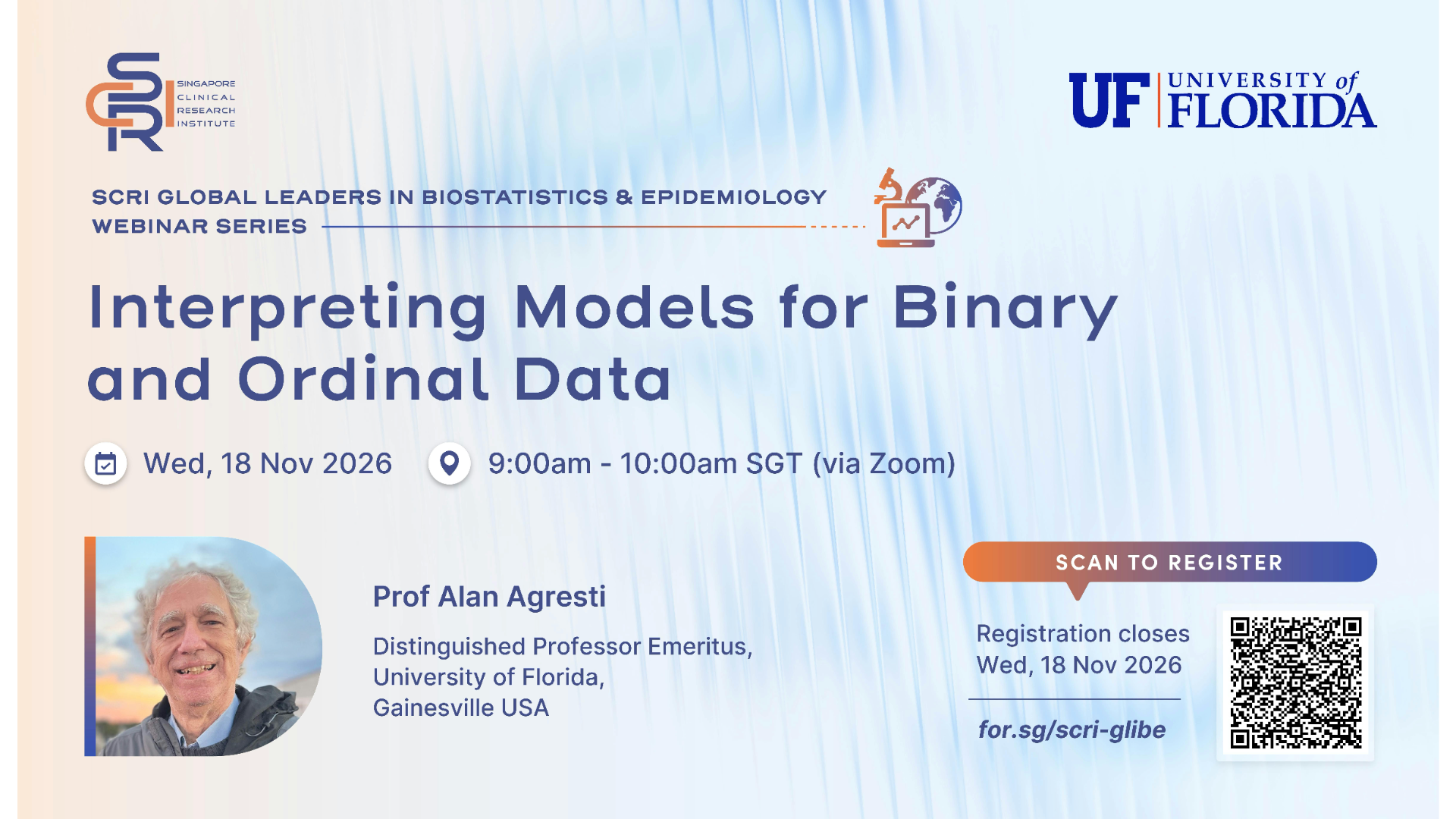
Overview
How can we make statistical models easier to interpret by translating complex regression results into meaningful probability measures?
Probability-based effect measures for models for binary and ordinal response variables can be simpler to interpret than logistic (and probit) regression model parameters and their corresponding effect measures, such as odds ratios.
For describing the effect of an explanatory variable while adjusting for others in modeling a binary response, it is sometimes possible to employ the identity and log link functions to generate simple effect measures. When such link functions are inappropriate, one can still construct analogous effect measures from a logistic regression model fit, based on average differences or ratios of the probability modeled or on average instantaneous rates of change for the probability.
Simple measures are also proposed for interpreting effects in models for ordinal responses based on applying a link function to cumulative probabilities. The measures are also sometimes applicable with nonlinear predictors, such as in generalized additive models. The methods are illustrated with examples and implemented with R software. Parts of this work were joint with Claudia Tarantola of the University of Milano and Roberta Varriale of La Sapienza University in Italy and appeared in the Springer book "Trends and Challenges in Categorical Data Analysis", edited by Maria Kateri and Irini Moustaki.
Speaker bio
Alan Agresti is Distinguished Professor Emeritus at the University of Florida in Gainesville, USA , following his retirement as a Professor of Statistics in 2010. He is one of the most influential statisticians in the field of categorical data analysis, and his research has helped establish many of the methods that are now standard in medical and epidemiological research.
Prof Agresti’s book ‘Categorical Data Analysis’ is considered one of the definitive textbooks in the field and helped establish the modern framework for analysing categorical data including binary and ordinal outcomes.
Schedule
Date: 18 Nov 2026, Wednesday
Time: 9:00 AM - 10:00 AM (GMT +8:00) Kuala Lumpur, Singapore
Location: Online