

Overview
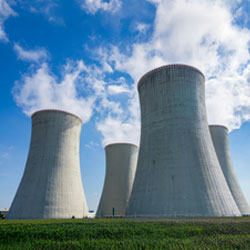
Nuclear power has the potential to serve as a transformative catalyst in the decarbonisation of the built environment. Beyond electricity generation, it can also provide thermal applications, presenting new possibilities for how buildings, infrastructure, and industrial assets consume and manage energy.
This SGBC Seminar, supported by SGBC Member HY M&E Engineering Consultancy, will explore the evolving role of nuclear energy in advancing a low-carbon built environment. Beginning with an overview of the development and evolution of nuclear technologies, this session aims to explore potential pathways for national deployment, and outline how these can potentially align with national goals and strategies. A key focus will be on the practical considerations for stakeholders in the built environment, including the implications for on-premise nuclear power integration.
Beyond theoretical potential, the Seminar will address the tangible milestones needed to realise behind-the-meter nuclear solutions for energy-intensive facilities such as data centres. By analysing the interplay between project development, national strategy and deployment, participants will gain a comprehensive understanding of what is truly required to integrate nuclear power into the future of the built environment.
Schedule
Date: 24 Jul 2026, Friday
Time: 2:00 PM - 4:30 PM (GMT +8:00) Kuala Lumpur, Singapore
Location: BCA Braddell Campus, 200 Braddell Road, Singapore 579700, 579700
Speakers
Speaker's Profile:
Matthew Chew, Nuclear Competency & Strategy Lead, HY M&E Consultancy Services Pte Ltd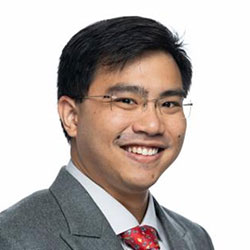
Matthew Chew is the Nuclear Competency & Strategy Lead for HY, spearheading the firm’s nuclear energy consulting, Digital Twin portfolio, and OT Cybersecurity initiatives to advance future energy systems. Previously, Matthew served at the Home Team Science and Technology Agency (HTX) in the CBRNE Detection unit. He specialized in radiological-nuclear detection and radiation-based imaging, where he implemented AI, networked imaging systems, and deployed enterprise-level platforms for automated reporting. An alumnus of MIT’s Leaders for Global Operations (LGO) program, Matthew holds dual degrees: an MBA and a Master of Science in Nuclear Science and Engineering. This multidisciplinary foundation drives his ambition to cultivate a robust nuclear ecosystem in Singapore, strategically positioning the nation at the forefront of the global nuclear renaissance.
Speaker's Profile:
Prof. Mike Short, Professor of Nuclear Science and Engineering, Massachusetts Institute of Technology (MIT)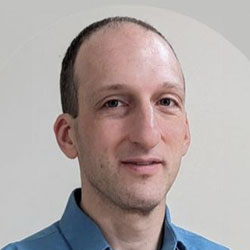
Prof. Michael Short is a Professor of Nuclear Science and Engineering at the Massachusetts Institute of Technology (MIT) in Cambridge, MA, USA, an Adjunct Senior Principal Scientist II in IMRE at A*STAR in Singapore, and the Distinguished Professor of Fusion Technology at ST Engineering in Singapore. His group has spent over a decade investigating coupled materials effects impeding the rapid expansion of carbon-free baseload energy, with an emphasis on materials for nuclear power. Of particular interest to Prof. Short's group are the simultaneous effects of irradiation and corrosion present in nuclear plants, materials to enable the first fleet of commercial fusion reactors, and stopping corrosion in nuclear and geothermal energy systems. Prof. Short holds four degrees from MIT in Nuclear Science & Engineering and Materials Science & Engineering.
Partners