

Overview
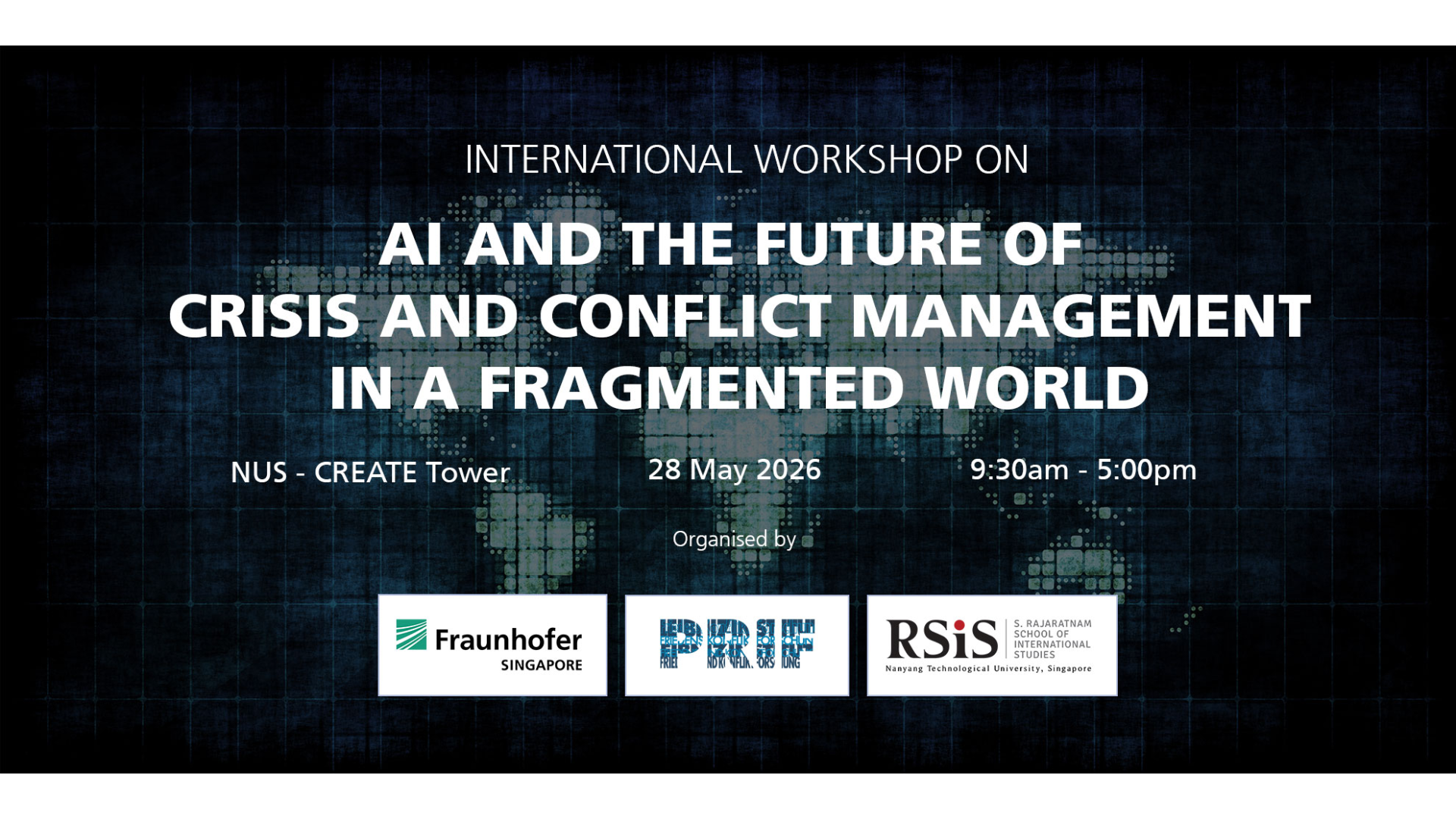
International Workshop on AI and the Future of Crisis Management and Conflict Analysis in a Fragmented World
How Artificial Intelligence and Advanced Systems Are Reshaping Crisis Management, Conflict Analysis and Diplomacy
The nature of crisis and conflict and the ways in which they are analysed, interpreted and managed, are increasingly influenced by algorithmic and AI-assisted systems. In an environment of geopolitical fragmentation and rapid technological change, policymakers, diplomats, and peace and conflict researchers face new challenges in understanding escalation dynamics and governing emerging technologies responsibly.
The Peace Research Institute Frankfurt (PRIF), Fraunhofer Singapore and the S. Rajaratnam School of International Studies (RSIS) are convening a international workshop that will bring together policymakers, technologists, and researchers from Germany, Singapore and the wider international community to discuss the implications of AI-based systems for crisis management, diplomacy and international security. The workshop features a public programme with keynote addresses, expert panels and research talks on AI in conflict dynamics, diplomatic decision-making, foresight and regulation.
Co-Organizers:
Peace Research Institute Frankfurt (PRIF), Leibniz Association, Germany
Fraunhofer Singapore, Singapore
S. Rajaratnam School of International Studies (RSIS), Singapore
with the support of the
Embassy of he Federal Republic of Germany Singapore
Purpose and Objectives
The workshop aims to:
Identify where and how AI tools function as a factor in modern conflicts, crisis management, and diplomacy
Assess AI tools and current technological developments for early conflict detection, foresight, modelling, and mediation support
Explore ongoing developments in AI research to better understand the capabilities and limitations of AI systems in the context of international conflicts and security
Bridge political, technical, and academic perspectives on AI in security and diplomatic environments
Advance trust, evaluation, and governance frameworks for AI use in sensitive national and international contexts
Lay the groundwork for follow-on joint initiatives, research agendas, and policy engagement
Strategic Value:
This workshop highlights the German–Singapore partnership as a trusted platform that connects European peace research excellence with Asia-Pacific policy, security, and technology ecosystems.
It aims to strengthen collaboration between stakeholders from IHLs, research institutions, and think tanks to anchor a longer-term agenda at the intersection of AI, emerging technologies, security, diplomacy, and peacebuilding between the two ecosystems.
Core Focus Pillars
The programme is structured around four main pillars:
AI, Security, Conflicts, and Strategy: Examining the impact of AI systems on escalation dynamics, strategic stability, and decision-making across political, economic, informational, cyber, and military domains. Attention will be paid to comparing AI-driven approaches with existing theories of conflict.
AI-augmented Diplomacy and Conflict Resolution: Exploring AI-enabled tools for strengthening diplomatic analysis, early warning, scenario and crisis modelling and mediation support. The focus lies on how these systems shape planning, trend analysis and policy recommendations in conflict and crisis settings and how human judgment and accountability can be preserved.
AI Regulation and Arms Control: Assessing the requirements for and implications of deploying AI tools in the context of national and international security, especially regarding model explainability, institutional control, and supply chain risks. The parallels - and implications for - with existing and future arms control regimes and verification will be explored.
Emerging Disruptive Technologies: Analyzing the interactions of AI developments with cyber capabilities, information operations, autonomous systems, and dual-use research in crisis environments.
Target Participants
Government officials and policymakers
Peace and conflict researchers
AI and emerging technology experts
Think tanks, industry, and applied R&D institutions
Workshop Agenda
09:15–09:30. Welcome Opening
Speaker: Nicole Deitelhoff, Professor of International Relations and Theories of Global Orders, Goethe University Frankfurt; Director, PRIF
and Michael Kasper, Fraunhofer Singapore
09:30–09:45 Keynote Address: AI as a Strategic Variable in Modern Conflict and Crisis
Eduard Ruge, Science Attaché / Diplomat, German Embassy in Singapore
09:45–10:45 Panel: AI, Conflict Dynamics, and Strategic Stability
Eduard Ruge, Science Attaché / Diplomat, German Embassy in Singapore
Christopher Daase, Peace & Conflict Research Lead, PRIF
Francesco Mancini, Vice Dean; Associate Professor, Lee Kuan Yew School of Public Policy, NUS
Manoj Harjani, Research Fellow, RSIS, NTU
Antara Chakraborthy, Research Fellow, RSIS, NTU
10:45–11:00 Coffee & Networking Break
11:00–12:15 AI Regulation, Sovereign AI and Responsible AI Use
Talk: Iris Wieczorek, Senior Research Fellow at GIGA; GIGA Representative Japan
Talk: Yan Jie Schnellbach, Research Fellow, Technical University of Darmstadt
Talk: Tze Yun Leong, Professor, Department of Computer Science, School of Computing, NUS
12:15–12:30 Introducing PRIF: Peace Research, Conflict Analysis & Policy Impact
Stefan Kroll, Research Director, PRIF, Germany
12:45–13:45 Networking Lunch
13:45–15:00 AI, Diplomacy, and Escalation Dynamics
Lay Hwee Yeo, Director, European Union Centre in Singapore; Senior Fellow, SIIA
Nicole Deitelhoff, Professor of International Relations and Theories of Global Orders, Goethe University Frankfurtn; Director, PRIF, Germany
Miguel Alberto Gomez, Senior Fellow, Lee Kuan Yew School of Public Policy, NUS
Laldinkima Sailo, Friedrich Ebert Stiftung; Lecturer, Singapore Institute of Technology
Yasmine Wong, Associate Research Fellow, Centre of Excellence for National Security
15:00–15:15 Coffee Break
15:15–16:45 Foresight Focus: AI-augmented Early Warning and Scenario Planning
Talk: Katharina Hölzle, Executive Director, Fraunhofer Institute IAO; University of Stuttgart
Talk: Philipp Kühn, Research Fellow, Science and Technology for Peace and Security, Technical University of Darmstadt
Talk: Patrick Schramowski, Research Fellow, Machine Learning Group, Computer Science Department, TU Darmstadt
16:45–17:15 Fireside Chat: Governing AI in the Era of a Fragmented World
17:15–17:30 Summary & Outlook
Schedule
Date: 28 May 2026, Thursday
Time: 9:30 AM - 5:00 PM (GMT +8:00) Kuala Lumpur, Singapore
Location: CREATE Tower, Level 2, 1 Create Way, #15-01, Singapore 138602, 138602
Speakers
Speaker's Profile:
Manoj Harjani, Research Fellow Coordinator of Military Transformations Programme, IDSS, S Rajaratnam School of International Studies (RSIS), Singapore
Manoj Harjani is a Research Fellow at the S Rajaratnam School of International Studies (RSIS), where he is also Coordinator of the Military Transformations Programme (MTP) within the Institute of Defence and Strategic Studies. Prior to joining MTP, Manoj worked on building up RSIS’ research agenda and networks at the intersection of science, technology, and national security. Manoj has also served in roles focusing on analysing long-term trends and building capabilities in futures thinking and scenario planning with the Singapore Public Service. He holds a Bachelor of Arts in Political Science from the National University of Singapore.
Speaker's Profile:
Nicole Deitelhoff, Professor of International Relations and Theories of Global Orders at Goethe University Frankfurt am Main, and Director of the , Peace Research Institute Frankfurt (PRIF), Germany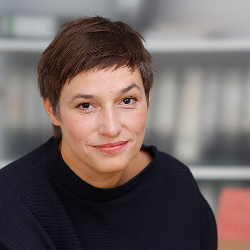
Prof. Dr. Nicole Deitelhoff is Professor of International Relations and Theories of Global Order at Goethe University Frankfurt and Executive Director of PRIF – Peace Research Institute Frankfurt, where she also heads the Research Department “International Institutions.” Her research focuses on international relations, global order, conflict, social cohesion, and normative change, with particular attention to how political institutions and societies respond to crises. She also serves as co-speaker of the Frankfurt section of the Research Institute Social Cohesion and of the Research Center Normative Orders.
Speaker's Profile:
Katharina Hoelzle , Executive Director Fraunhofer Institute IAO, University of Stuttgart, Germany, Fraunhofer Institute for Industrial Engineering (IAO)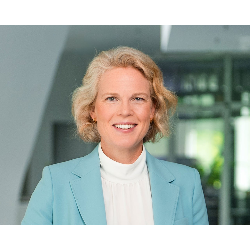
Prof. Dr. habil. Katharina Hölzle, MBA is Executive Director of Fraunhofer IAO and Director of the Institute of Human Factors and Technology Management IAT at the University of Stuttgart. Her work explores how emerging technologies, organizational change, and innovation ecosystems shape the future of work, industry, and society. In the context of this workshop, she brings a strong foresight perspective on how AI and other transformative technologies can be anticipated, assessed, and translated into strategic action for more resilient and future-ready organizations.
Speaker's Profile:
Eduard Ruge, Science Attaché, German Embassy in Singapore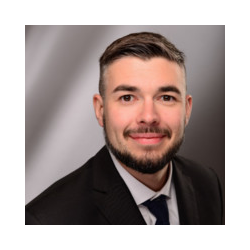
Eduard Ruge is Science Attaché at the German Embassy Singapore and a career diplomat with the German Federal Foreign Office. He is responsible for German–Singaporean relations in science, technology, and education, supporting bilateral cooperation across research, innovation, and emerging technology ecosystems. With academic training in political science and international relations, and professional experience in strategic foresight, policy analysis, and communications, he brings a science-diplomacy perspective to the workshop on how international partnerships, anticipatory governance, and trusted knowledge exchange can strengthen AI-enabled crisis management and conflict analysis in a fragmented world.
Speaker's Profile:
Christopher Daase, Professor of International Relations at Goethe University Frankfurt, Germany, and Deputy Director of the Peace Research Institute Frankfurt (PRIF), Peace Research Institute Frankfurt (PRIF)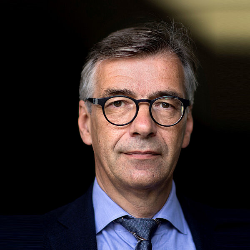
Prof. Dr. Christopher Daase is a Professor of International Relations at Goethe University Frankfurt, Germany, and Deputy Director of the Peace Research Institute Frankfurt (PRIF) where he heads the Research Department on International Security. His research and teaching focuses on security policy (especially wars and civil wars, terrorism and radicalization, non-proliferation and arms control) as well as international institutions. He is co-founder of the Arms Control Negotiation Academy (ACONA), and member of the Executive Board of the EU Non-Proliferation and Disarmament Consortium. Prof. Dr. Daase has published several books and numerous articles in international journals and was editor of the leading German international relations journal for more than ten years. Since 2022 he is member of the Advisory Board on Education and Outreach of the Organisation for the Prohibition of Chemical Weapons (OPCW).
Speaker's Profile:
Francesco Mancini, Vice Dean (Executive Education) and Associate Professor, Lee Kuan Yew School of Public Policy, National University of Singapore (NUS)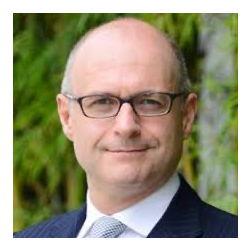
Francesco Mancini is Vice Dean (Executive Education) and Associate Professor in Practice at the National University of Singapore’s Lee Kuan Yew School of Public Policy, as well as an Adjunct Associate Professor at Columbia University’s School of International and Public Affairs (SIPA). His work focuses on global governance, United Nations, conflict analysis and resolution. He regularly lectures at academic institutions and presents at conferences and to governments on international peace and security issues. He regularly appears on television news as commentator of current international affairs.
Speaker's Profile:
Antara Chakraborthy, Associate Research Fellow (CENS), S Rajaratnam School of International Studies (RSIS), Singapore
Antara Chakraborthy is an Associate Research Fellow at the Centre of Excellence for National Security (CENS) at the S. Rajaratnam School of International Studies (RSIS), Nanyang Technological University, Singapore. With a background in journalism covering Indian domestic politics, Antara’s research now broadly focuses on social cohesion, social resilience, and polarisation in multicultural contexts. She also examines disinformation and gender, alongside the rise of religious nationalism in India and its impact on diasporic identities and societies. Her commentaries have been published in various outlets such as The Diplomat, The Interpreter, new mandala, etc. Antara loves cats, tea, and a good fantasy novel.
Speaker's Profile:
Iris Wieczorek, Senior Research Fellow at the GIGA Institute for Asian Studies and GIGA Representative in Japan, Leibnitz Institute GIGA, Hamburg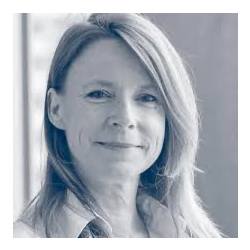
Dr. Iris Wieczorek is Senior Research Fellow at the GIGA Institute for Asian Studies and GIGA Representative in Japan. Her research focuses on innovation processes and networks in Japan’s economy, science, and society, as well as digital transformation and AI governance in Asia in global comparison. Based in Tokyo, she has extensive experience in German–Japanese science cooperation, having established the Japan Office of the German Research Foundation and later represented the Leibniz Association in Japan.
Speaker's Profile:
Yan-Jie Schnellbach, Group Leader, Associate Research Fellow, TU Darmstadt and PRIF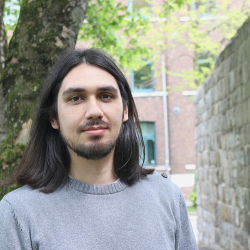
Dr. Yan-Jie Schnellbach is an Associate Fellow in the Research Group Science for Nuclear Diplomacy within the International Security Research Department and the Co-Project lead of the JOSHUA project. He also heads the nuSENTRY junior research group at TU Darmstadt. Their research focusses on nuclear non-proliferation and safeguards, especially detection and measurement techniques for nuclear facilities and advanced reactors.
Speaker's Profile:
Leong Tze Yun, Professor in the Department of Computer Science, School of Computing, National University of Singapore (NUS)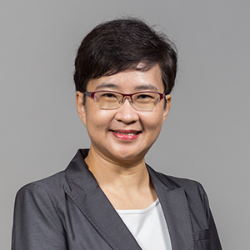
LEONG, Tze Yun is a Professor in the Department of Computer Science, School of Computing, National University of Singapore (NUS). She holds S.B., S.M., and Ph.D. degrees in Computer Science from the Massachusetts Institute of Technology (MIT), U.S.A. Her research interests include responsible AI, dynamic decision-making, neurocognitive modeling, reinforcement learning, artificial general intelligence, and biomedical and health informatics. She is a Fellow of the American College of Medical Informatics (ACMI) and a founding Fellow of the International Academy of Health Sciences Informatics (IAHSI).
Speaker's Profile:
Stefan Krol, Board Member, Head of Science Communication, Leibniz-Institut PRIF, Germany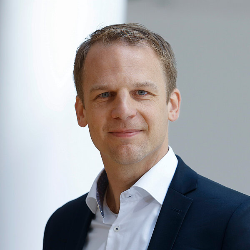
Dr. Stefan Kroll is Head of Science Communication and a Senior Researcher at PRIF’s Research Department International Institutions. His work focuses on interdisciplinary research on norms and institutions, knowledge transfer, and political education for peace and conflict research topics.
Speaker's Profile:
Lay Hwee Yeo, , Director of the European Union Centre in Singapore, Senior Fellow at the Singapore Institute of International Affairs (SIIA), European Union Centre, Singapore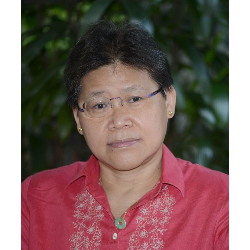
Dr. Yeo Lay Hwee is Director of the European Union Centre in Singapore and Senior Fellow at the Singapore Institute of International Affairs. Her work focuses on comparative regionalism, multilateralism, governance networks, EU–ASEAN relations, and Asia–Europe relations, and she participates actively in policy dialogues, research networks, and academic forums.
Speaker's Profile:
MIGUEL ALBERTO GOMEZ, Senior Research Fellow, Lee Kuan Yew School of Public Policy, National University of Singapore (NUS)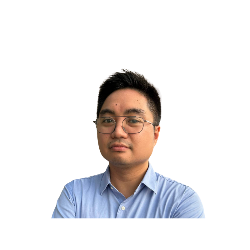
Miguel Alberto Gomez is a Senior Research Fellow with the Centre on Asia and Globalisation. Previously, he worked as a Senior Researcher with the Center for Security Studies (CSS) at the Swiss Federal Institute of Technology (ETH) in Zurich. His area of research is found at the intersection of technology, foreign policy, and political psychology. Specifically, he is interested in how novel technologies shape policy, strategy, and public opinion for elites and the public at large.
Speaker's Profile:
Philipp Kühn, Research Fellow, Chair of Science and Technology for Peace and Security (PEASEC) , Technical University of Darmstadt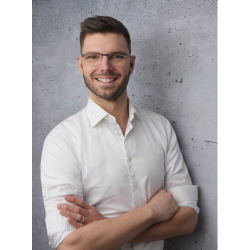
Dr.-Ing. Philipp Kühn is a research associate and post-doctoral researcher at the Chair of Science and Technology for Peace and Security (PEASEC) in the Department of Computer Science at the Technical University of Darmstadt. His research focuses on information retrieval from public data sources with an emphasis on IT security, leveraging Natural Language Processing and Large Language Models. He has contributed to several major research initiatives, including emergenCITY (LOEWE, 2024), SecUrban (BMBF+HMWK, 2020-2023), and CYWARN (BMBF, 2020-2023). His work extends beyond technical aspects to examine intergovernmental cooperation in cybersecurity, bridging the gap between technological innovation and practical security implementation. At PEASEC, he explores how automated systems can augment cybersecurity practices while preserving the vital role of human expertise in security operations.
Speaker's Profile:
Patrick Schramowski, Research Fellow, Machine Learning Group, Computer Science Department, TU Darmstadt., Deutsches Forschungszentrum für KI (DFKI), TU Darmstadt.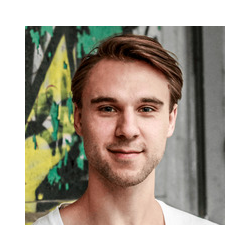
Research group leader at the DFKI of the TU Darmstadt University, Germany.